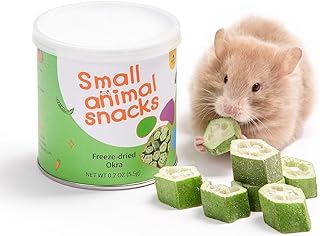
7. A Beginner's Guide to Understanding Hamster Nutrition
Introduction
When it comes to caring for your beloved hamster, one of the most important aspects to consider is their nutrition. A well-balanced diet plays a crucial role in ensuring your furry friend stays healthy and happy. In this beginner's guide, we will delve into the basics of hamster nutrition to help you make informed decisions when it comes to feeding your pet.
1. Understand the Dietary Needs of Hamsters
Hamsters are omnivores, which means they require a mix of protein, carbohydrates, fats, vitamins, and minerals in their diet. It's essential to provide your hamster with a well-rounded diet to ensure they receive all the nutrients they need to thrive.
2. Choose the Right Hamster Food
When selecting food for your hamster, opt for a high-quality commercial hamster mix. These mixes are specially formulated to meet the nutritional requirements of hamsters. Avoid feeding your hamster only one type of food, as this can lead to nutrient deficiencies.
People Also Look For:
- Premium Hamster Food Mix, 2.5L
- Hamster Food Pet Snacks Yoghurt Sandwiches for Small Rodents
- Gerbil Food Bundle Containing Supreme Mix 900g, Heart Treats 100g, Healthy Bite Treats 30g, Apple Sticks
- Niteangel Hamster Snack & Treats Toy - Small Animal Natural Treat for Dwarf Syrian Robo Hamsters Gerbils Mice Degus or Other Pets ...
- Niteangel Multi-Chamber Hamster House Maze - Multi-Room Hideouts & Tunnel Exploring Toys for Hamster Gerbils Mice Lemmings (6-Room...
3. Provide Fresh Fruits and Vegetables
In addition to a commercial hamster mix, it's essential to supplement your hamster's diet with fresh fruits and vegetables. These foods provide essential vitamins and minerals that may be lacking in their regular diet. Some safe options include carrots, apples, broccoli, and cucumbers.
4. Offer Protein-Rich Foods
Protein is an essential component of a hamster's diet, as it helps support muscle growth and repair. You can provide your hamster with protein-rich foods such as cooked eggs, mealworms, or small pieces of cooked chicken. However, it's essential to offer these foods in moderation to prevent obesity.
5. Avoid Feeding Hamsters Certain Foods
While hamsters can eat a wide variety of foods, there are some items you should avoid feeding them. These include chocolate, caffeine, almonds, and citrus fruits. These foods can be harmful to hamsters and should be kept out of their diet.
6. Provide Fresh Water
Just like humans, hamsters need access to fresh water at all times. Make sure to provide your hamster with a water bottle or dish filled with clean, fresh water. Change the water daily to ensure it remains free of contaminants.
7. Monitor Your Hamster's Weight
It's essential to monitor your hamster's weight regularly to ensure they are maintaining a healthy size. Obesity can lead to various health issues in hamsters, so it's crucial to feed them a balanced diet and provide plenty of opportunities for exercise.
By following these tips and guidelines, you can ensure that your hamster receives the nutrition they need to live a long and healthy life. Remember to consult with a veterinarian if you have any concerns about your hamster's diet or health. With proper care and attention, your furry friend will thrive on a well-balanced diet.