Hamster Food Insights for Healthy Happy Pets by 2026
As pet owners become increasingly aware of the nutritional needs of their pets, the importance of a balanced diet for hamsters cannot be overstated. By 2026, the understanding of hamster nutrition will be more advanced, offering insights that can help ensure these small mammals lead healthy and happy lives. This article delves into the essential components of hamster diets, the evolution of hamster food options, and the emerging trends in the pet food industry.
The Nutritional Needs of Hamsters
Hamsters are omnivorous creatures that require a varied diet to thrive. Their nutritional needs encompass a combination of proteins, carbohydrates, fats, vitamins, and minerals. In 2026, it is expected that pet owners will have access to more comprehensive guidelines on the specific ratios of these nutrients ideal for different hamster breeds. For instance, dwarf hamsters may require a higher protein content compared to Syrian hamsters, who might benefit from a slightly different balance of fats and carbohydrates.
In recent years, there has been a growing emphasis on the quality of ingredients in hamster food. By 2026, pet food manufacturers are likely to focus on more natural and organic ingredients, steering clear of artificial additives and preservatives. This shift will not only cater to the health-conscious pet owner but also promote better overall health for hamsters.
Commercial Hamster Diets
The commercial hamster food market has evolved significantly, with a variety of formulations now available. By 2026, it is expected that the trend towards specialised diets will continue, offering options tailored to specific hamster breeds and age groups. Such diets may include high-fibre options for older hamsters or protein-packed blends for younger, more active pets.
People Also Look For:
- Gerbil Food Bundle Containing Supreme Mix 900g, Heart Treats 100g, Healthy Bite Treats 30g, Apple Sticks
- Mr Johnsons Supreme Hamster and Gerbil Mix Muesli Mealworm Fibre Food 900g
- Hamster Treats, 45g Hamster Chew Toys Snacks, Bunny Healthy Treats, Birds Treats, Hamster Chews, Freeze-Dried Molar Toys, Dwarf Ha...
- Niteangel Multi-Chamber Hamster House Maze - Multi-Room Hideouts & Tunnel Exploring Toys for Hamster Gerbils Mice Lemmings (6-Room...
- VETIQ Nibblots Treats Variety Pack with Added Vitamins in a Soft Chewy Centre for Small Animals, Suitable For Rabbits, Guinea Pigs...
Pelleted diets have gained popularity due to their convenience and balanced nutritional profiles. However, there is a growing awareness that hamsters also benefit from a diverse diet that includes fresh fruits, vegetables, and the occasional treat. By 2026, the concept of a balanced diet will encompass not only commercial feeds but also home-prepared meals that enhance the quality of life for hamsters.
Fresh Foods and Treats
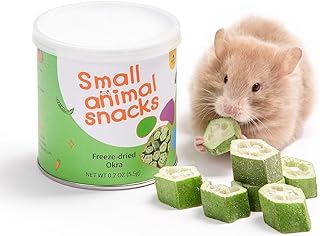
Incorporating fresh foods into a hamster's diet is critical for maintaining their health. By 2026, there will likely be a more extensive understanding of which fruits and vegetables are safe for hamsters and how to prepare them. For example, carrots, broccoli, and spinach can provide essential nutrients, while fruits like apples and berries can serve as occasional treats. The key is to introduce these foods gradually and in moderation.
Moreover, pet owners may discover innovative ways to make nutritious treats that align with their hamsters' dietary needs. The rise of DIY pet food recipes will empower owners to create healthy snacks using whole ingredients, further enhancing their pets' diets. This trend will not only promote better health but also increase the bond between pet and owner as they engage in the preparation of meals.
Understanding Food Labels
As the pet food industry continues to evolve, understanding food labels will become increasingly important for pet owners. By 2026, consumers will likely be more educated about reading labels and identifying high-quality ingredients. This knowledge will enable them to make informed choices about the food they provide for their hamsters. Key terms to look for will include whole grains, real meat, and specific mentions of vitamins and minerals that contribute to a balanced diet.
Moreover, transparency in sourcing and production methods will become a significant factor influencing purchasing decisions. As consumers demand higher standards for pet food, manufacturers will respond by providing more information about the origins of their ingredients and the nutritional research behind their products.
Conclusion
As the landscape of hamster nutrition evolves, pet owners will have more resources and information at their disposal to make informed choices. The focus on quality, variety, and education will shape the way we care for our furry companions, ensuring that they remain healthy and happy well into the future.